
The House Edge Isn't Luck: A Grown-Up Guide to Smart Betting
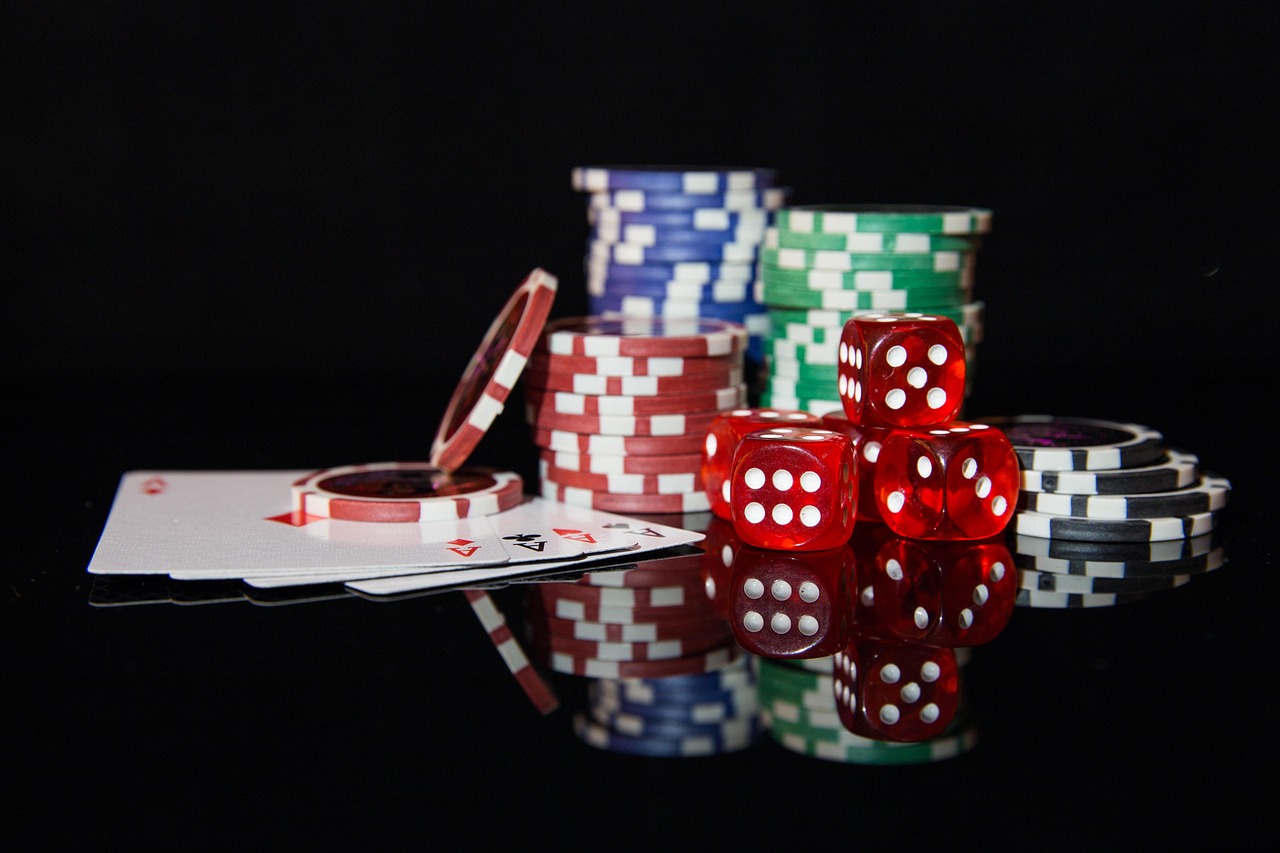
Every experienced player eventually has the same realisation: the casino is not a magical place where money appears and disappears at random. It is a business with a mathematically predictable margin, and once you understand how that margin works, the whole experience changes. You stop chasing jackpots with lunch money and start making decisions like someone who actually knows what they are doing.
This guide is not about "beating the system" — nobody beats a fair game long term. It is about understanding the systems well enough to play longer, lose less when you lose, and enjoy the wins when they come. That is the realistic version of being good at this.
Why the House Edge Matters More Than You Think
Ask ten casual players what the house edge is on roulette and most will shrug. Ask them how much they lost last year and they will remember the number vividly. That gap is the whole problem.
The house edge is the mathematical advantage baked into every game, expressed as a percentage of each bet the casino expects to keep over time. It does not mean you lose that percentage on every spin. It means that across thousands of bets, that is roughly how the money flows.
- Blackjack (basic strategy): roughly 0.5% house edge — one of the best bets in the building.
- Baccarat (banker bet): about 1.06%.
- European roulette: 2.7%, versus 5.26% on the American double-zero wheel.
- Slots: typically 2% to 10%, depending on the machine and jurisdiction.
- Keno and most lottery-style games: often 25% or higher.
That last bullet is why keno feels like throwing money into a well. It basically is. Meanwhile, a disciplined blackjack player on a good table is playing a game where the casino earns less than a dollar per hundred wagered. The difference between these games over a hundred sessions is enormous, and almost none of it is luck.
Slot Machines: What the RTP Number Actually Tells You
Modern slots publish a return-to-player percentage, usually between 94% and 97% online, and lower in some physical venues. A 96% RTP means that over millions of spins, the machine returns 96 cents per dollar wagered. It says nothing about your next spin.
The trap is volatility. Two machines can share identical RTP figures and behave completely differently. A low-volatility slot pays small amounts frequently — think steady, boring wins that keep you afloat. A high-volatility slot might pay nothing for two hundred spins and then drop a single payout worth five hundred times your stake.
Neither is better. They suit different bankrolls. If you have a small budget and want table time, low volatility is your friend. If you are hunting a headline win and can stomach long dry spells, high volatility delivers that experience — just understand you are paying for the ride, not buying a result. Also, check the paytable before spinning. The difference between hitting three symbols on line one versus line twenty can swing your effective return dramatically.
Poker Is a Skill Game Wearing a Gambling Coat
Poker deserves its own category because, unlike slots or roulette, a skilled player can genuinely win over time. But that statement comes with a condition: you must be playing against weaker opponents, and the rake must not eat your profits.
The rake is the house's cut, usually 5% of each pot up to a cap. At low-stakes tables with high rake, the best player in the room might still grind out a tiny win rate. This is why table selection matters more than almost any strategy article. Sitting in the softest game at 1/2 beats sitting in a shark tank at 5/10.
A few practical rules that separate break-even players from profitable ones: This is explained well on L'Avenue Dubai.
- Play fewer hands. Tight-aggressive is not a cliché, it is the foundation. Fold the marginal stuff.
- Position is leverage. Acting last gives you information on every street. Play more hands from the button.
- Track your results. Sessions blur together. A simple spreadsheet with hours, stakes, and profit reveals leaks you cannot see from memory.
- Bankroll management is non-negotiable. Twenty buy-ins minimum for cash games, more for tournaments.
If you do not track results, you are not playing poker — you are paying tuition without taking the class.
Bankroll Management: The Boring Habit That Saves You
Nobody gets excited about bankroll management, and that is exactly why it works. It removes emotion from the equation, and emotion is what turns a hobby into a problem.
Here is a simple framework that works for most recreational players:
- Decide on a monthly entertainment budget you would not miss if it disappeared entirely.
- Split it into session units — for example, four sessions with a quarter of the budget each.
- Set a loss limit and a win limit. Leaving when ahead is genuinely difficult and genuinely smart.
- Never top up a session from money you did not allocate. That is the line between entertainment and chasing.
The players who last are not the ones with a secret system. They are the ones who treat the money as spent the moment it enters the account, and who walk away without drama when a session ends.
Bonuses, Promotions, and the Fine Print Nobody Reads
Welcome bonuses look generous until you read the wagering requirement. A 100% match up to 200 with a 40x rollover attached to your deposit means you must wager 8,000 before withdrawing anything. On a 96% RTP slot, that wager alone carries an expected loss of roughly 320. The bonus is not free money. It is a discounted trial, and sometimes not even that.
Before claiming anything, check three things: the playthrough multiplier, the maximum bet allowed while clearing the bonus, and which games contribute toward wagering. Slots usually count 100%, live dealer games often count less, and some table games contribute nothing at all. A bonus that looks like a gift can be a trap if you claim it casually.
Free spins are usually kinder — lower wagering, capped winnings, fewer strings. Reload offers and cashback deals reward loyal players and are often more valuable than the flashy headline promo.
Playing Smarter Without Killing the Fun
The honest truth is that the fun and the edge pull in opposite directions. The games with the lowest house edge are the least thrilling. The slots with cinematic bonus rounds are where the casino makes its best margin. Neither fact is a reason to quit — they are reasons to be deliberate.
Pick your poison consciously. If you want a long, cheap evening, sit at a blackjack table with basic strategy memorised or play a low-volatility slot. If you want the adrenaline of a bonus round, budget for it the way you would budget for a concert ticket. And if you want to actually win money rather than rent excitement, poker is the only one of these games where the math can tilt your way — provided you put in the study.
Luck decides the next session. Discipline decides the next year.