
Balcony Garden Watering Guide for Renters with No Outdoor Tap
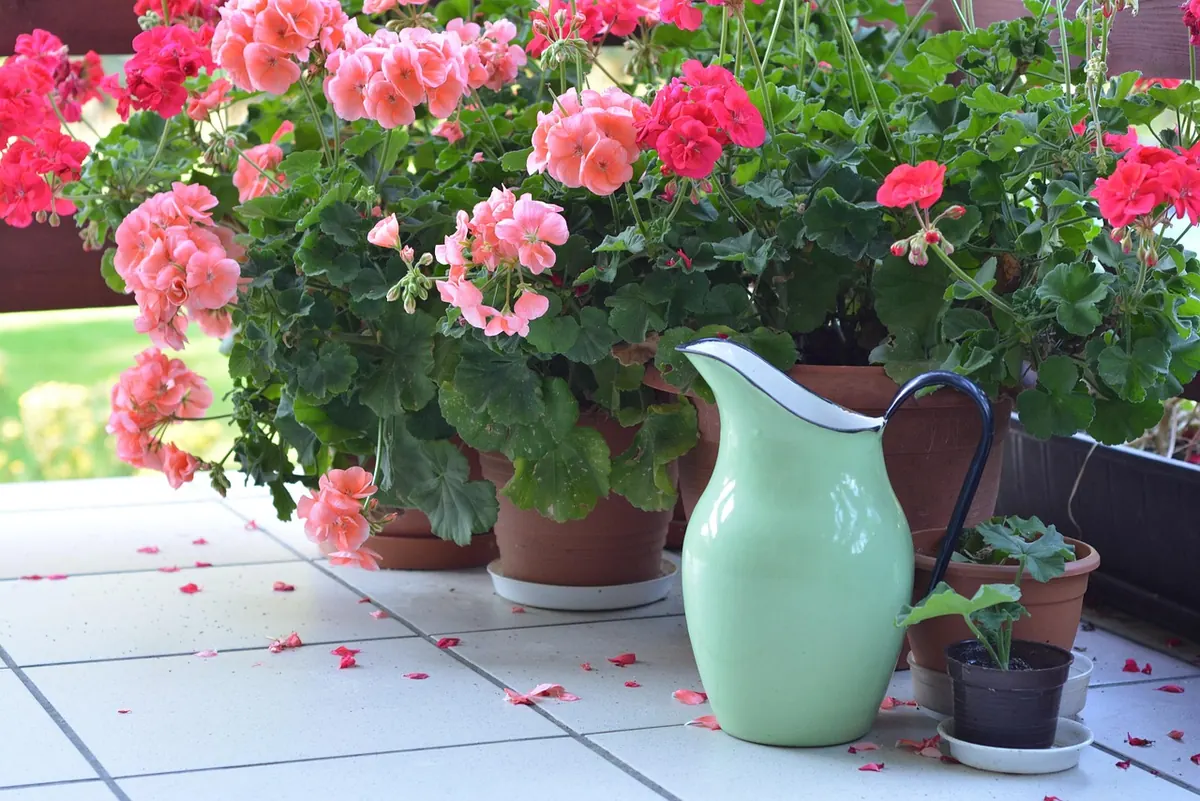
You can grow a surprising amount on a balcony with no tap: herbs, cherry tomatoes, a small fig, pots of petunias that keep going until October. The hard part isn't the growing. It's the carrying. Every litre your plants drink comes from a kitchen sink, travels through a doorway, and then part of it drips onto the balcony below. Accept that and the rest becomes logistics — fewer trips, containers that hold water, and a routine that fits around your actual week rather than an ideal one.
Here's how to set up a watering system that a renter can install in an afternoon, remove in ten minutes, and live with for years.
Start by learning what your pots actually use
Watering by feel beats watering by calendar. Before you buy a single gadget, spend a week getting to know your containers.
Lift each pot while it's dry, then again just after watering. That weight difference is the most reliable moisture meter you'll ever own, and it costs nothing. For a second opinion, push a finger two to three centimetres into the compost. If it feels cool and slightly damp, wait another day. If it's dry and the pot feels light, water thoroughly until it runs out of the drainage holes.
Volume matters more than people expect. A 20 cm pot of basil in July sun can lose a litre a day, sometimes more in a heatwave. A 40 cm pot planted with the same basil might go three days. Small pots dry fast because there's little compost to hold reserves — which is exactly why renters end up watering twice a day and resenting it.
Gear that makes carrying water less annoying
You don't need a plumbing modification. You need fewer, better trips. A short kit makes a real difference:
- A 5-litre watering can with a narrow spout and a removable rose. The rose for seedlings, the bare spout for filling reservoirs and reaching the back of the row.
- A 10-litre collapsible bucket or jerrycan. One trip instead of two, and it folds flat behind a door when you're done.
- A squeeze bottle with a long spout for seedlings, hanging baskets and anything you can't easily reach from standing height.
- A cheap plastic tray to stand wet pots on while you move between the sink and the balcony, so you're not mopping up afterwards.
- A folding trolley if you're on a long corridor or use a lift, or if you're carrying water for more than about eight pots.
If your building and lease allow it, an indoor tap adapter that lets you run a short hose to the balcony can cut the work dramatically. Ask before you fit one, and never leave a hose connected while you're out — a slipped fitting is a flood that reaches the flat below.
Containers and compost that stretch every litre
Pot material changes your schedule
Unglazed terracotta breathes, which is lovely for rosemary and disastrous in a July heatwave. Glazed ceramic, plastic, fibreglass and metal-lined planters hold moisture far longer. If you love terracotta, line the inside with a plastic pot of the same size.
Self-watering planters with a reservoir under a false floor are the single best purchase for a tap-free balcony. Fill the reservoir once or twice a week in summer and the compost wicks up what it needs. They work well for tomatoes, chillies, mint and leafy greens. Check the reservoir by pulling out the filler tube — refill when it's low, and empty it in winter so it doesn't freeze or stagnate.
Small habits that buy you days
- Go bigger. One 40 cm pot holds moisture far better than four 15 cm pots using the same compost volume.
- Mulch the surface. Two centimetres of gravel, bark chips or coir on top of the compost cuts evaporation noticeably.
- Group your pots. Clustered plants shade each other and create a slightly humid pocket. Wind is the real thief on upper floors.
- Move the thirstiest pots out of the fiercest midday sun, even by half a metre.
A watering schedule that fits a working week
Most balcony plants do better with a thorough soak every few days than a daily sprinkle. A quick splash only wets the top layer and encourages shallow roots that are even more vulnerable the next time you're late.
Roughly, in a temperate climate: check daily in high summer, and expect to water most days. In spring and autumn, every two to four days is realistic. In winter, once a week or less — and only when the compost is dry, because cold, wet roots rot quietly.
Water in the morning when you can. You lose less to evaporation, foliage dries through the day, and you'll notice problems while you still have time to fix them. Early evening is the next best option. Midday watering mostly wastes water, and wet leaves overnight invite mildew.
Plant choice does half the work. Rosemary, thyme, lavender, sedum and pelargoniums tolerate drying out. Basil, mint, tomatoes, cucumbers and ferns sulk fast. If you travel often, weight your balcony toward the tough end of that list.
Keeping plants alive when you're away
For a long weekend, group everything in the shadiest spot, soak it well, and move it off hot paving. For a week or more, try one of these:
- A wicking system. Stand pots on capillary matting with the ends trailing into a tray or bucket of water. The mat pulls water up as the compost dries.
- Cotton cord wicks. Thread a thick cotton cord from a water container into the base of each pot.
- Buried clay ollas. An unglazed clay pot sunk into the compost and filled with water seeps moisture out slowly. Unglazed terracotta wine coolers work too.
- Inverted bottles. Fill a two-litre bottle, poke two small holes in the cap, and push it neck-deep into the compost. Good for a few days, not a fortnight.
A neighbour with a spare ten minutes is still the most reliable option. Leave a full watering can by the door, label anything fussy, and be specific about how much each pot needs.
Drainage, neighbours and building rules
Every pot needs a saucer or tray underneath. Water dripping onto the balcony below causes more neighbour disputes than noise does, and it stains surfaces that aren't yours to repair. Empty saucers after heavy watering so roots don't sit in stagnant water.
Before you install anything — rainwater collection, a tap adapter, brackets on railings, drip irrigation on a timer — check your lease and any building or strata rules, and get permission in writing if it's required. Rules about water use, attachments and drainage vary a lot between buildings and councils, so if you're unsure, ask your landlord or managing agent rather than guessing.
Tap water is fine for nearly all balcony plants. Let it sit for a few minutes so it isn't icy cold, and wipe hard-water spots off leaves. Water used for rinsing vegetables is fine on ornamentals, but keep it plain and skip anything soapy, greasy or softened with salt.
Build a routine you'll actually keep
Buy one container big enough that you only fill it once, keep the watering can beside the balcony door as a visible reminder, and check pots by weight before you check your phone in the morning. Water fewer plants properly rather than many plants badly — a balcony of six generous pots will look better in August than a crowded shelf of twenty small ones.
And accept that something will die. A heatwave, a forgotten week, a pot that was always too small for the job. Replace it with something tougher, adjust the grouping, and carry on. The point of a balcony garden is that it's yours, even if the tap isn't.
Photo: utroja0 / Pixabay