
Raised Beds vs. Containers for Terrace Vegetable Gardening
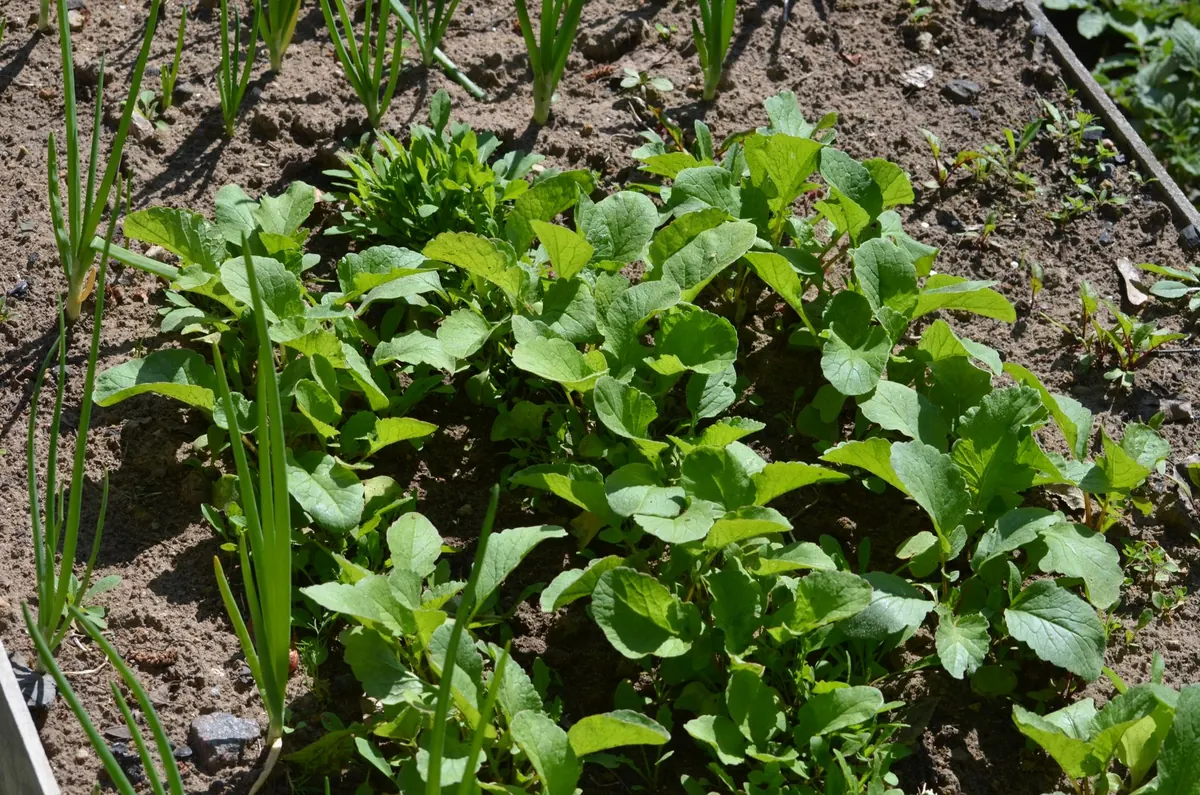
Two tomato plants on the same sunny terrace can look identical in June and completely different by August. One sits in a 60-litre planter that stays damp through a heatwave; the other is in a 20-litre pot that dries out before lunch. Raised beds and containers are both good ways to grow vegetables on a terrace, but they fail and succeed for different reasons. Here's what actually separates them.
Start With Weight, Not With Plants
Containers and raised beds both put soil where soil was never meant to be, and soil is heavy. A 100-litre planter of damp potting mix can weigh 80 kg or more, concentrated on roughly half a square metre of floor. A 2 m by 1 m bed filled to 30 cm holds about 600 litres — several hundred kilograms once the mix is wet and the plants are established.
If your terrace sits over a living space, or on a podium deck, that matters. Ask the building manager or a structural engineer what the floor is rated for before you order a cubic metre of mix. Ground-level patios and slabs laid directly on grade are far more forgiving. Either way, spread the load: use wide feet or paving slabs under beds, push heavy planters toward supporting walls rather than parking them mid-span, and raise pots onto small feet so air moves underneath and the base doesn't stay soggy.
Space: Blocks Versus Modules
A raised bed is the more efficient use of a rectangle. One 2 m by 1 m bed gives you two square metres of growing area with a single frame and a single watering zone. Keep beds no wider than 1.2 m so you can reach the middle from either side without stepping in. On a narrow terrace, a 35 cm wide bed along a railing works beautifully for herbs, lettuce and bush beans.
Containers win on awkward ground. A cluster of pots fits a corner where a bed won't, moves when you need to repaint the wall, and lets you chase the sun as the season shifts. They also let you group plants by need: thirsty cucumbers near the tap, rosemary and thyme out in the hottest, driest spot where little else thrives. Short on floor area? Go up. A trellis fixed to the back of a bed, or a bracket of wall pots, adds growing room without adding footprint.
Soil and Growing Mix
The temptation with a raised bed is to fill it with garden soil. On a terrace, don't. Garden soil is heavy, compacts inside a confined frame, drains poorly and usually brings weed seed with it. Use a lightweight mix instead: roughly two parts compost or quality potting mix, one part coir or peat-free fibre, and a handful of perlite or grit per bucket for drainage, with a slow-release organic fertiliser stirred through.
Containers need potting mix, full stop — not soil dug from the ground. The volume is small, so it depletes faster and dries unevenly. Both systems settle and shrink over a season. Plan to top up 5–10 cm each spring, and to replace container mix entirely every year or two.
Yield: It Comes Down to Root Room
Yield follows soil volume, moisture stability and light, roughly in that order. A raised bed generally out-yields a collection of small pots covering the same area, simply because roots can spread and the mix holds water longer. But a large container — 40 litres and up — tended well will match a bed plant for plant.
Match the crop to the depth you can offer:
- Shallow, 15–20 cm: lettuce, rocket, radish, spinach, chives and most herbs.
- Medium, 20–30 cm: chard, bush beans, dwarf peas, peppers, chillies, spring onions.
- Deep, 30–40 cm and up: tomatoes, cucumbers, aubergines, carrots, beetroot, potatoes.
For tomatoes in containers, give each plant 30–40 litres or more. Two tomatoes in generous pots will crop harder than four crammed into small ones, and they're less likely to split or develop blossom end rot from stop-start watering.
Watering and the Weekly Rhythm
This is where beds and containers diverge most in day-to-day effort. A mature tomato in a 25-litre pot may need water every day in July, sometimes twice, while the same plant in a bed can go two or three days. Containers dry from every side, walls included, with no surrounding soil to buffer them.
A few things make a real difference:
- Mulch the surface of beds and pots with 3–5 cm of compost or straw.
- Run drip line or a soaker hose on a timer. It saves more time than any other purchase.
- Group pots together so they shade each other's rims; empty the saucers after heavy rain so roots never sit in standing water.
- Water in the morning so foliage dries before evening.
- In a heatwave, shade the pot rather than the leaves — cloth against the sun-facing side keeps roots cooler.
Long-Term Effort and Pests
Raised beds are a build-once project. After the frame is in, maintenance is mostly mulching, topping up mix, rotating crops between plant families and pulling weeds. On a windy terrace, anchor frames properly and fix trellises to the wall or floor, never to the bed itself, so a gust doesn't tip the whole thing.
Containers are more flexible but fiddlier. The upside is control: if one pot gets aphids or vine weevil, you can move it away from the rest, treat it, or empty it without disturbing anything else. You can also shift tender plants under cover for a cold night, and stack empty pots away in winter, which reduces the load on your terrace when snow or heavy rain arrives.
How to Decide This Weekend
If your terrace is at ground level, catches six hours of sun and you can commit to a frame and a few hundred litres of mix, build a narrow raised bed — 35–45 cm wide — along the sunniest wall, then add three or four large containers for herbs and salad near the door. That hybrid covers almost everything: deep soil for the hungry crops, pots for the things you pick daily.
If you rent, move often, or aren't sure about the load, start with containers only. Buy the biggest pots you can comfortably move, plant tomatoes, peppers, chard and herbs this season, and pay attention to how often you actually water. Next spring you'll know exactly whether a bed is worth building — and how big it should be.
Photo: Andrew Swarga / Pexels